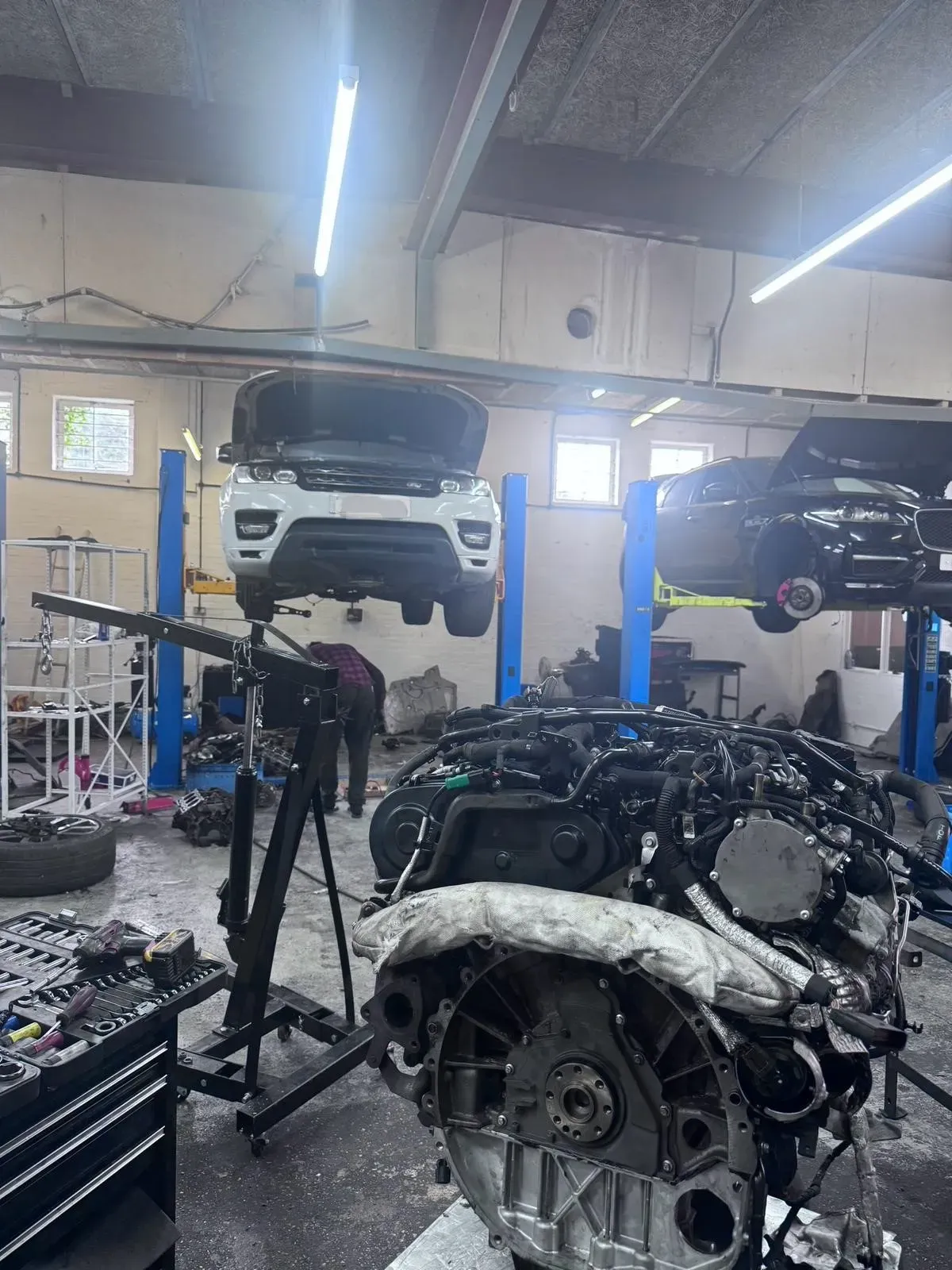
Short answer: A Land Rover Series engine rebuild means identifying the exact engine first: a 1.6 or 2.0 petrol, a 2.0 diesel, or the 2.25 petrol or diesel used from the Series II onwards. A full rebuild measures and machines the block, crank and head, renews the wear parts and, on petrol engines, usually adds hardened valve seats for unleaded fuel. Keeping the original engine number matters to originality. We quote on older engines, but our core work is 2010-onwards, so send the details first.
Series Land Rovers are simple, but their engines are old, and an engine rebuild only goes well when it starts from knowing exactly what you have. This guide covers the Series I, Series II and IIA, and Series III engines, what wear to look for, and what a proper rebuild involves.
What engines did Series Land Rovers use?
Land Rover used a small family of four-cylinder engines across the Series models, and which one you have decides almost everything about a rebuild. This table is a guide only, so always confirm against the engine number and the vehicle's records.
| Model | Engines | Notes |
|---|---|---|
| Series I (1948 to 1958) | 1.6 petrol, 2.0 petrol, 2.0 diesel | The petrol engines are inlet-over-exhaust designs. The 2.0 diesel came later in the Series I run. |
| Series II and IIA (1958 to 1971) | 2.0 diesel, 2.25 petrol, 2.25 diesel | The 2.25 petrol arrived with the Series II. The 2.25 diesel followed on the IIA. |
| Series III (1971 to 1985) | 2.25 petrol, 2.25 diesel | Five-bearing crankshafts were introduced from 1980. |
A few long-wheelbase models also had six-cylinder or V8 engines, and later vehicles may have been fitted with something different over the years, so check what is actually under the bonnet.
When does a Land Rover Series 1 engine rebuild make sense?
A Land Rover Series 1 engine rebuild is usually about keeping a historic vehicle correct. The 1.6 and 2.0 petrol engines and the 2.0 diesel are old designs, and many have been run, rebuilt and patched over decades. A proper rebuild starts with finding out how much of the engine is original, how worn the bores and crankshaft are, and whether the block is cracked or has been repaired before.
Parts supply and machining are the main practical questions. Some wear parts are available new, while others need to be sourced, reconditioned or made. Before any quote is agreed, ask what is available for your exact engine and how any missing item will be dealt with. If you are not sure the engine is the correct type for the vehicle, say so up front.
What does a Land Rover Series 2A engine rebuild involve?
A Land Rover Series 2A engine rebuild will normally be one of the 2.25 engines, petrol or diesel, although a 2.0 diesel may still be fitted to an early IIA. The 2.25 petrol is an overhead-valve engine with a three-bearing crankshaft. The 2.25 diesel shares the basic layout and also has three main bearings on the earlier engines.
A thorough rebuild covers these steps:
- Strip and clean. The block, head, crank and ancillaries come apart and are cleaned so cracks and wear can be seen.
- Measure. Bores, crank journals, bearing shells, camshaft and valve guides are checked against the workshop manual limits.
- Machine. Cylinder reboring or relining, crank grinding, head skimming and valve seat work are done only where the measurements call for them.
- Renew. Pistons and rings, bearings, gaskets, seals, timing parts, and the oil pump where needed.
- Rebuild and set up. The engine is assembled to specification and the oil system is primed before first start.
Our page on engine rebuild sets out the general process we follow on current engines, and the same logic applies here: measure first, machine only what needs it, and agree the scope in writing.
Land Rover 2.25 petrol engine rebuild: what to check first
A Land Rover 2.25 petrol engine rebuild usually starts with the same handful of questions.
- Oil pressure. Low pressure when hot suggests worn main or big-end bearings, a tired oil pump or a worn crank. Quote the figures you have, hot and cold, and the oil used.
- Blow-by. Heavy fumes from the breather point to worn rings and bores.
- Compression. A compression test shows whether the loss is even across cylinders or concentrated in one, which separates general wear from a failed valve or gasket.
- Cracks and corrosion. Check the head for cracks around the valve seats and for corrosion in the water passages, and the block for cracks or freeze damage.
- Coolant and oil mix. A milky look under the filler cap or coolant in the sump points to a head gasket, a cracked head or a bore problem.
Land Rover 2.25 diesel engine rebuild: what is different?
A Land Rover 2.25 diesel engine rebuild shares much of the 2.25 petrol's layout but has its own priorities. Diesels of this type are slow-revving and hard-working, so wear tends to show in the bores, the crank and the injection equipment. Injectors and the injection pump are usually dealt with by a diesel injection specialist, and your rebuilder should say clearly whether they are included or not.
Cold starting, smoke and a loss of power each point somewhere different. Blue smoke suggests oil being burned, black smoke suggests poor fuelling or air supply, and a knock that gets worse under load deserves attention straight away, because a run bearing quickly becomes a damaged crank.
What is the difference between 3-bearing and 5-bearing 2.25 engines?
This is the first thing to establish on any Land Rover Series 3 engine rebuild, and it matters for earlier vehicles that have been fitted with a later engine. The earlier 2.25 petrol and diesel engines have a three-bearing crankshaft. From 1980, Land Rover introduced a five-bearing crankshaft with changes to the block to suit. Neither is a wrong choice as such: each is the correct engine for the vehicle it was built for.
What matters in practice is that the parts match. Crankshafts, bearings, blocks and some other components are not interchangeable between the two, so identify your engine before anything is ordered. Your rebuilder should be able to tell you which one you have from the block and the crank.
For a Land Rover Series 3 engine rebuild, also check what was fitted when the vehicle left the factory and whether a replacement engine has been put in since. Records, a dating certificate or a heritage certificate can help.
Do Series engines need unleaded fuel conversion?
Original cylinder heads on the petrol engines were made for leaded fuel, where lead helped protect the valve seats. On unleaded petrol, seats without suitable hardening can wear back into the head over time, a problem called seat recession. During a rebuild, the usual answer is to fit hardened valve seats. The alternatives are a fuel additive or accepting the risk if the vehicle covers very few miles.
Ask your rebuilder what they propose and why. Diesel engines do not have this issue.
Why do original engine numbers matter?
Series Land Rovers are valued for originality, and the engine is part of that. The engine number is stamped on the block, and a rebuild of your own engine keeps it. A replacement engine has a different number, and if the engine is changed, the V5C must be updated with DVLA. Our post on a blown engine: rebuild or replace explains the paperwork.
If originality matters to you, tell the workshop before any work starts. It affects whether a cracked block is repaired or replaced, and whether a worn crank is ground or swapped. Ask for the engine number to be recorded in the quote and the invoice. Our reconditioned engines page explains the alternative route when an original block cannot be saved.
Can a Land Rover Series engine be rebuilt by Land Rover Engine Rebuild?
Our core work is 2010-onwards Land Rover, Range Rover and Jaguar engines, including the Land Rover engine rebuild range covering the Defender, Discovery and Freelander. We do not present ourselves as classic or Series specialists. We do quote on older engines, so if you have a Series engine, call with the registration, send the engine number and a few photos, and we will tell you straight whether it is a job our partner workshops in Rainham or Peterborough take on. If it is, you will get a written quote, and our warranty terms are written down. If it is not, we will say so.
If the vehicle cannot be driven, ask about collection and delivery within about 100 miles of our workshops. See how it works for the steps from first call to collection. For a different old Land Rover engine, see our guide to the 200Tdi, Td5 and Discovery 2 engine rebuilds.
Got a Series engine? Send us the details
Send the registration, the engine number and a few photos of the engine and what it is doing. We will tell you plainly whether it is a job our partner workshops in Rainham or Peterborough take on, and quote in writing before any work starts. Our core work is 2010-onwards, so we would rather say no than overpromise.
Ask about an older engine or call 020 8089 1373 / WhatsApp 07936 418074.
Frequently asked questions
How do I know if my Land Rover Series engine needs a rebuild?
The usual signs are heavy smoke, falling oil pressure when hot, blow-by from the breather, knocking from the bottom end and a compression test that is low or uneven. None of these proves a rebuild is needed on its own, so have the engine checked before deciding.
Does a Land Rover Series engine need hardened valve seats for unleaded petrol?
Often it does. Original petrol cylinder heads were designed for leaded fuel, so a rebuild usually includes hardened valve seats, or you accept the risk of seat recession. Your rebuilder should explain which option suits how the vehicle is used.
What is the difference between a 3-bearing and 5-bearing 2.25 engine?
The earlier 2.25 petrol and diesel engines have a three-bearing crankshaft. A five-bearing crankshaft was introduced from 1980, with changes to the block to suit. The two are not simply interchangeable, so confirm which one you have before ordering parts.
Do you rebuild Land Rover Series engines?
Our core work is 2010-onwards Land Rover, Range Rover and Jaguar engines, but we quote on older engines too. Send the engine details, registration and photos and we will tell you straight whether our partner workshops in Rainham or Peterborough take the job on.
Will a rebuilt engine keep the original engine number?
It should. A rebuild of your own engine keeps its original block and number, which matters for originality and for the V5C. A different engine has a different number, and DVLA needs to be told if the engine is changed.
Sources we checked
More guides
 Engine Guides · 25 November 2026
Range Rover Classic and P38 Engine Rebuild: V8 and Diesel Guide
An owner guide to Range Rover Classic and P38 engines: Rover V8, 200Tdi and BMW diesel, common wear points and what a rebuild involves.
Read the guide →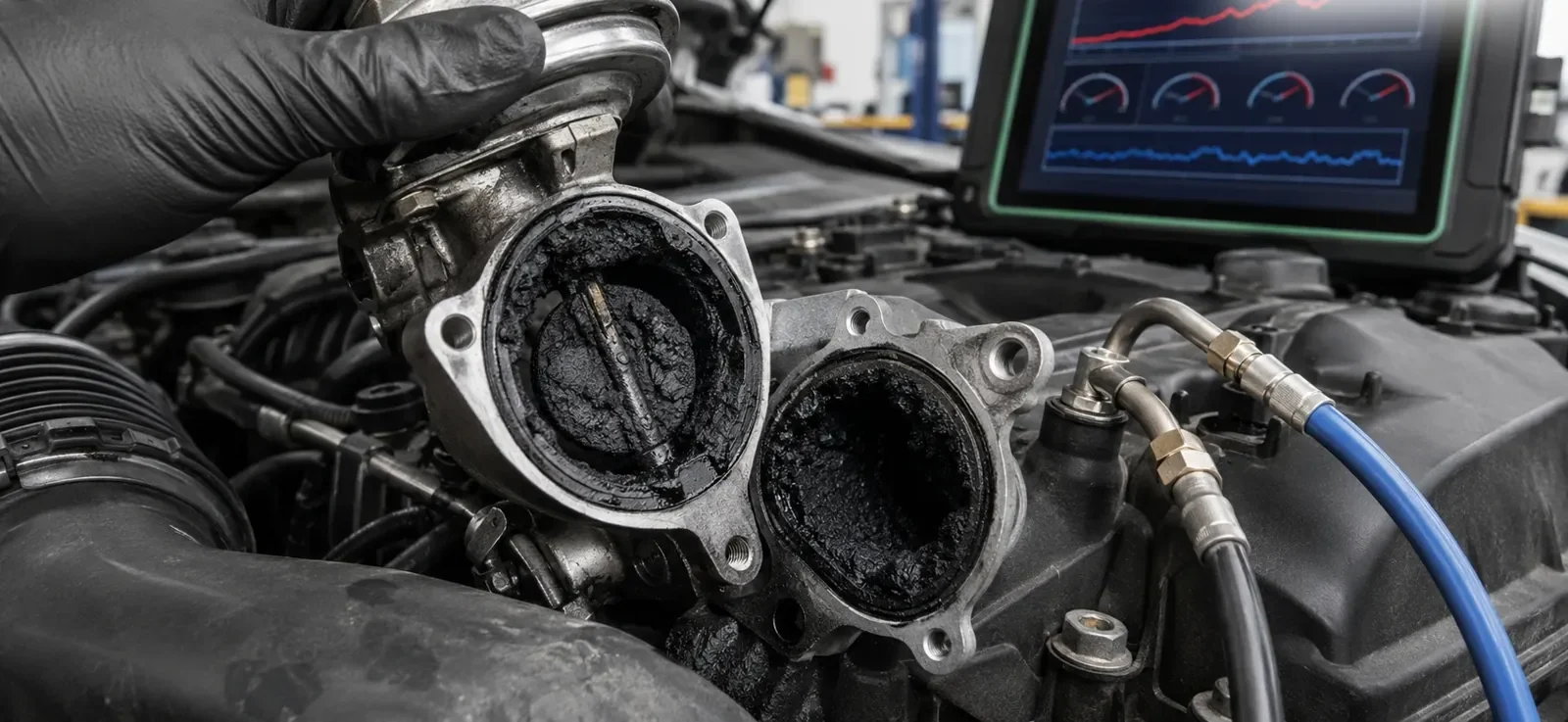 Owner Guides · 24 November 2026
Range Rover “Exhaust Filter Full” Warning: What It Means and How to Avoid Engine Damage
An amber exhaust filter warning is a request for a longer drive; a red one is not. Here is what each message means, how regeneration works and how a blocked filter can end up damaging the engine itself.
Read the guide → Engine Guides · 23 November 2026
Land Rover 200Tdi, Td5 and Discovery 2 Engine Rebuild Guide
An owner guide to rebuilding 200Tdi, 300Tdi, Td5 and Discovery 2 engines: common faults, what to check and what a rebuild covers.
Read the guide →