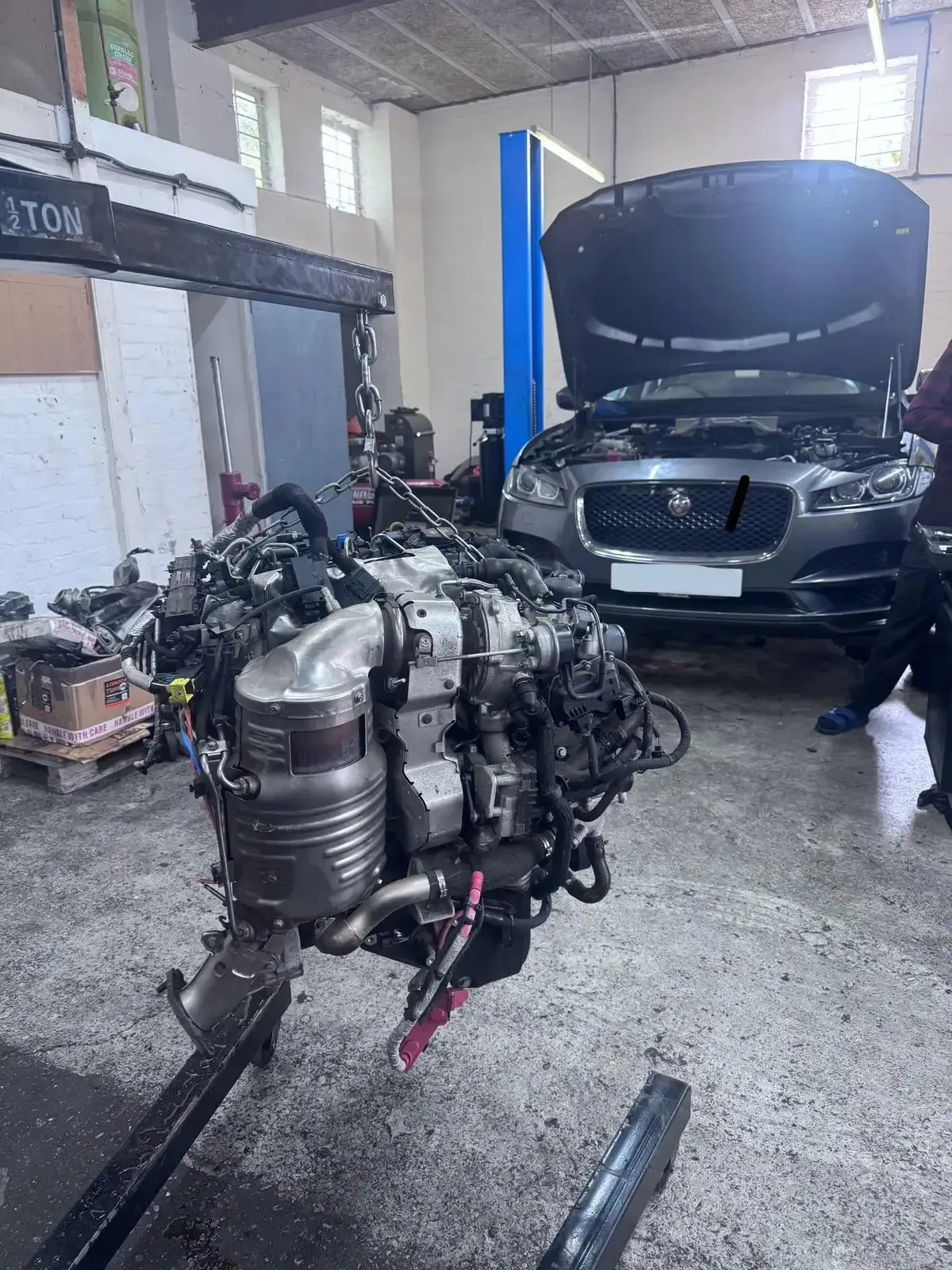
Short answer: A Land Rover 200Tdi engine rebuild strips the iron-block 2.5 diesel, measures the bores, crank and head, renews the belt, bearings, seals and gaskets and machines only what the measurements call for. The 300Tdi is similar but not interchangeable. The Td5 has its own weak points, notably the injector harness and oil leaks. A Discovery 2 engine rebuild also covers the 4.0 V8, where liner slip and cracked blocks are known problems. We quote on older engines, so send the details.
The 200Tdi, 300Tdi and Td5 diesels, and the Rover V8 in the Discovery 2, are the engines most people mean when they say a classic Defender or Discovery needs an engine rebuild. This guide covers how each engine is built, what tends to wear, and what a rebuild should include.
Which engines did the Defender, Discovery and Discovery 2 use?
| Engine | Fitted to | Notes |
|---|---|---|
| 200Tdi (2.5 turbo diesel) | Defender, Discovery 1, Range Rover Classic | Introduced from 1989 in the Discovery and 1990 in the Defender. Belt-driven camshaft. |
| 300Tdi (2.5 turbo diesel) | Defender, Discovery 1 | Replaced the 200Tdi from 1994 with refinements. |
| Td5 (2.5 five-cylinder diesel) | Defender, Discovery 2 | Electronic control with a harness at the injectors. |
| 4.0 V8 petrol | Discovery 2 | A Rover V8 with wet cylinder liners. |
These are broad dates and applications. Confirm yours against the engine number and the vehicle records.
What is involved in a Land Rover 200Tdi engine rebuild?
A Land Rover 200Tdi engine rebuild is a bottom-end and top-end job that starts with a strip and measure. The engine is an iron-block four-cylinder with an aluminium head. A sound block is usually worth rebuilding, as long as the bores, crank and head can be brought back to specification.
- Block and bores. Measured for wear and ovality, then honed or rebored as needed.
- Crankshaft and bearings. Journals are measured and the crank is ground or replaced if worn or scored.
- Cylinder head. Pressure tested for cracks, skimmed if needed, and valve guides and seats checked.
- Timing belt and ancillaries. The belt, tensioner and water pump are normally renewed together, along with seals, since a belt failure can cause serious damage.
- Turbo and injection. The turbo and injection pump are checked and either renewed or reconditioned, or passed to a specialist.
Our guide to engine rebuild explains what our workshops measure and renew on current engines, and a rebuild of a 200Tdi follows the same measure-first logic.
How is the 300Tdi different?
The 300Tdi is a development of the 200Tdi, with changes to the block, the head and the way the engine is driven and sealed. The two look similar, which is why identification matters. Several parts, including the crank, gaskets and ancillaries, do not swap between them. Know which one you are working on from the engine number before any part is ordered.
What goes wrong with the Td5?
The Td5 is a five-cylinder diesel with electronic control, used in the Defender and the Discovery 2. It is a very different engine from the Tdi, and its common problems are well known among owners.
- Injector wiring harness. The harness that runs under the rocker cover can degrade and leak oil, which can cause misfires, rough running and fault codes.
- Cylinder head condition. Overheating can crack or warp the head, and the head has to be pressure tested during a rebuild.
- Oil pump and bearings. Oil pump wear and low oil pressure can damage the crank and bearings.
- Oil leaks. Gaskets and seals leak with age and can hide bigger problems.
Our Defender engine rebuild page covers the later Puma engines, which are a different generation from the Td5.
What does a Land Rover Discovery 2 engine rebuild cover?
A Land Rover Discovery 2 engine rebuild depends on which engine is in the car. The Td5 diesel is covered above. The 4.0 V8 petrol is a Rover V8, a very long-lived design with a well-known weakness: the wet cylinder liners can slip in the block, and blocks can crack. When that happens, coolant and combustion gases mix, the head gasket fails and the engine overheats.
A V8 rebuild begins with checking the block for liner movement and cracks. The liners are then refitted or replaced and the block is surfaced. The heads, gaskets and timing parts are renewed, and the cooling system is checked, since overheating is often the cause or the result.
Owners who later move to a newer Discovery should know the engines are completely different: the Discovery 4 engines are the 2.7 and 3.0 diesels and a 5.0 petrol, with very different rebuild needs.
What should I check before a rebuild?
- Oil pressure. Hot and cold readings, and whether the warning light flickers at idle.
- Coolant and oil condition. Mayonnaise, coolant loss, or oil in the coolant.
- Smoke. Blue, white or black each point in a different direction.
- Noise. A knock that changes with load, or a rattle from the timing end.
- History. Belt change record, previous overheating, and whether the engine is original.
The more of this you can pass on, the more accurate a first assessment will be. Our engine problems guide explains what common symptoms usually mean on newer engines.
What parts and machining should I ask about?
We do not publish prices, and on older engines the honest answer depends on the engine and what the strip shows. These are the items that decide the scope, so ask about each:
| Item | Question to ask |
|---|---|
| Crankshaft | Is it ground to an undersize, or replaced? Is the size recorded? |
| Bores | Honed, rebored or relined? On the V8, are the liners being replaced? |
| Cylinder head | Was it pressure tested and skimmed? Were guides and seats renewed? |
| Timing | Belt, tensioner and water pump renewed together on the Tdi engines? |
| Turbo and injection | Renewed, reconditioned or reused? Who is responsible if it fails later? |
| Cooling system | Is the radiator, hoses and thermostat part of the job? |
Written answers protect both sides. Our page on engine diagnosis explains how we find out what has failed before quoting, and the same principle applies to any engine: diagnosis first, then a written scope.
It is also worth asking whether new parts are available for your exact engine at all. Some Tdi and Td5 parts are easy to source, while others may need to be reconditioned or sourced second-hand. A workshop that tells you this at the start is being straight with you.
Can Land Rover Engine Rebuild rebuild a 200Tdi, Td5 or Discovery 2 engine?
Our core work is the 2010-onwards range, but we do quote on older engines. If you have a 200Tdi, 300Tdi, Td5 or Discovery 2 V8, call with the registration, tell us the engine number and send a few photos. We will tell you straight whether it is a job our partner workshops in Rainham or Peterborough take on, and quote in writing. Our warranty terms are set out in writing, and collection and delivery is available within about 100 miles of the workshops. If you are unsure whether to rebuild at all, our guide to a blown engine: rebuild or replace sets out the options.
Older Defender or Discovery engine?
Send the registration, the engine number and photos, and tell us what the engine is doing. We will tell you plainly whether our partner workshops in Rainham or Peterborough take it on, and quote in writing before any work starts. Our core work is 2010-onwards, so we will not pretend to be something we are not.
Ask about a 200Tdi or Td5 or call 020 8089 1373 / WhatsApp 07936 418074.
Frequently asked questions
What are the common problems with a Land Rover 200Tdi engine?
Oil leaks, a worn or neglected timing belt, head gasket failure after overheating, turbo wear and general high-mileage bottom-end wear are the usual causes. Diagnosis shows which applies before any rebuild is quoted.
What is the difference between the 200Tdi and 300Tdi?
Both are 2.5 litre four-cylinder turbo diesels. The 200Tdi came first, from 1989 in the Discovery and 1990 in the Defender, and the 300Tdi replaced it from 1994. They look similar but many parts are not interchangeable, so identify the engine before ordering anything.
Can a Td5 engine be rebuilt?
Yes, if the block and crank are sound. Td5 rebuilds commonly deal with the injector harness, oil leaks, cylinder head condition and oil pump and bearing wear. The key is to find out what actually failed before agreeing a scope.
What is liner slip on a Rover V8?
Liner slip is when a cylinder liner moves in the block, which breaks the head gasket seal and lets coolant and combustion gases mix. It is a well-known weakness of the Rover V8, including the 4.0 in the Discovery 2, and is dealt with by relining or replacing the block.
Do you rebuild 200Tdi and Td5 engines?
Our core work is 2010-onwards, but we quote on older engines too. Send the registration, engine number and photos and we will tell you whether our partner workshops in Rainham or Peterborough take the job on, and quote in writing.
Sources we checked
More guides
 Engine Guides · 25 November 2026
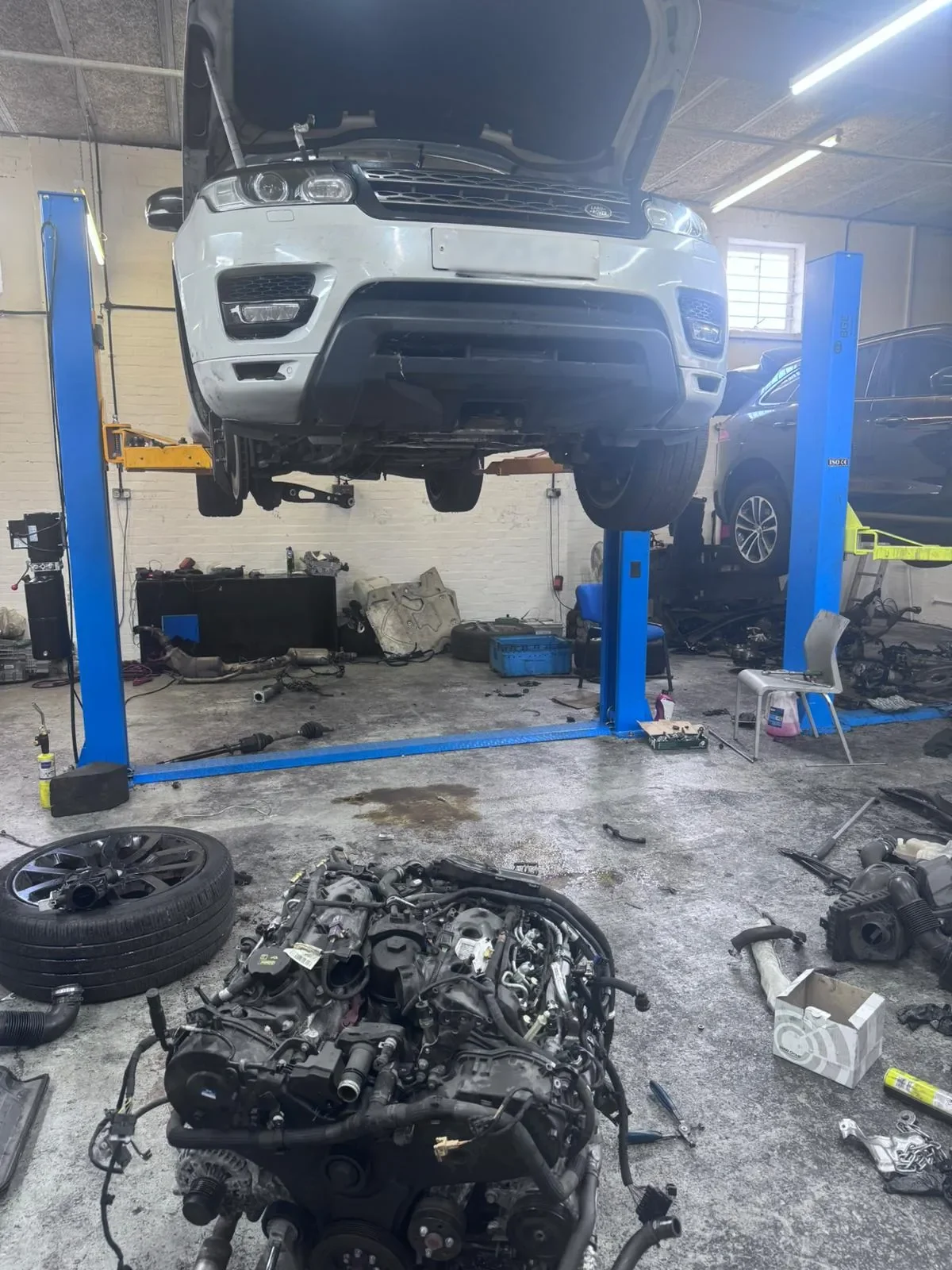
Range Rover Classic and P38 Engine Rebuild: V8 and Diesel Guide
An owner guide to Range Rover Classic and P38 engines: Rover V8, 200Tdi and BMW diesel, common wear points and what a rebuild involves.
Read the guide →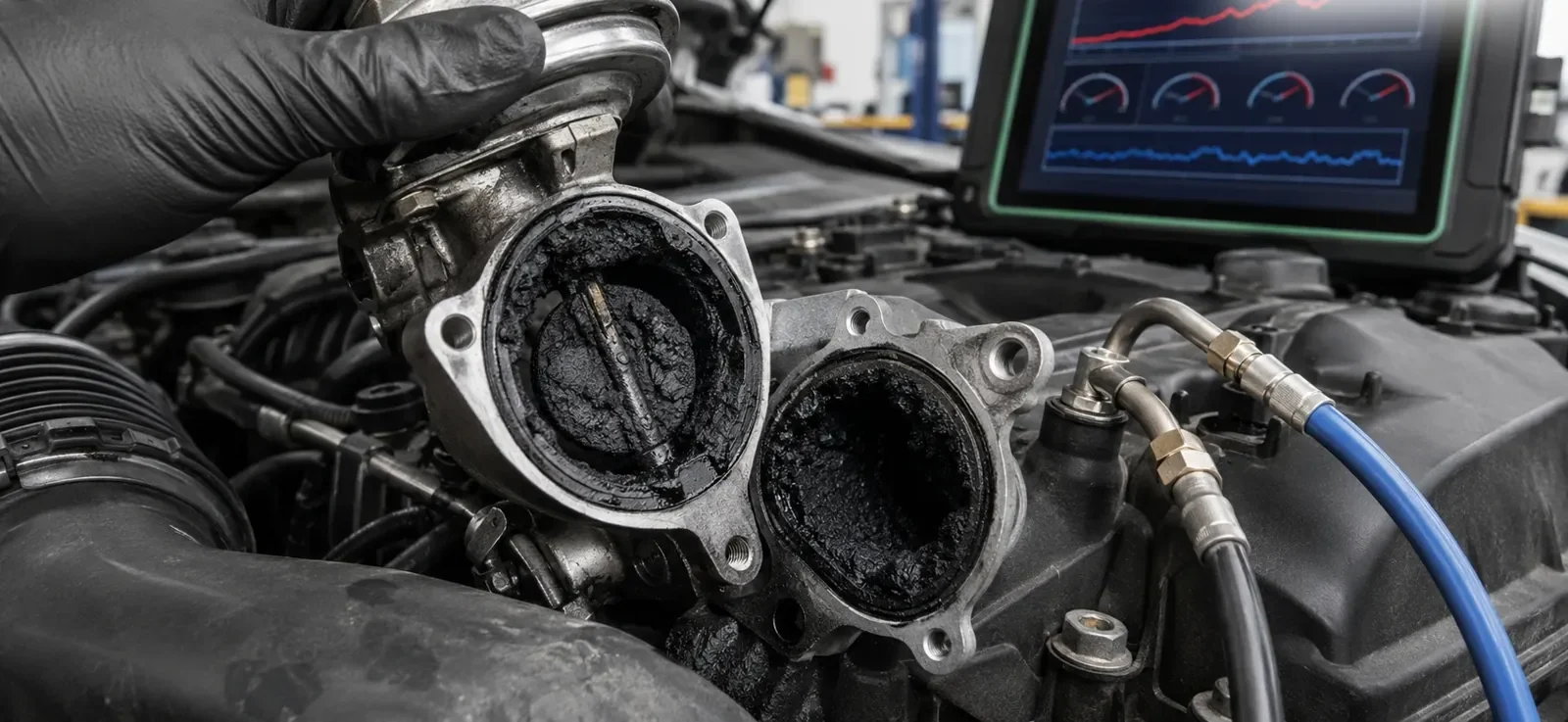 Owner Guides · 24 November 2026
Range Rover “Exhaust Filter Full” Warning: What It Means and How to Avoid Engine Damage
An amber exhaust filter warning is a request for a longer drive; a red one is not. Here is what each message means, how regeneration works and how a blocked filter can end up damaging the engine itself.
Read the guide →Buying Guides · 22 November 2026Range Rover Engines to Avoid, and the Ones With the Best Record
A buyer-focused look at every Range Rover engine since 2013, from the TDV6 to the newest straight-sixes, with the documented weak points of each and how to check a car before you buy.
Read the guide →