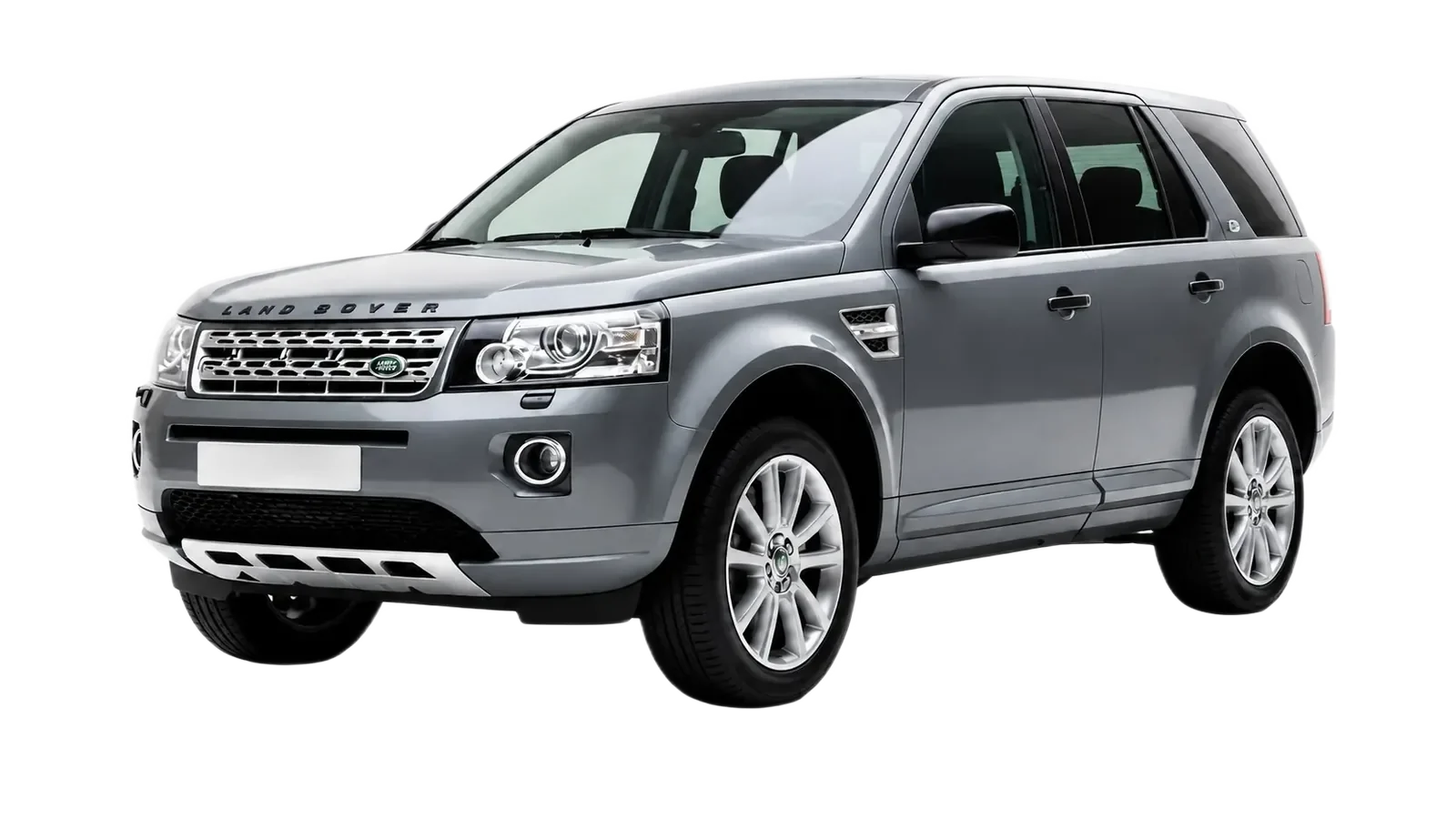
Short answer: No single Freelander 2 year is universally bad. The early 2006 to 2010 diesels carry more risk only because they are older and more likely to have missed timing belt changes. Most UK cars have the 2.2 TD4 or SD4 diesel, an interference engine with a timing belt, so a car without proof of a belt change at the revised interval is the one to avoid, whatever its year. The 2011 model year brought an upgraded EU5 diesel, including the 190 PS SD4, and the 2013 model year brought a revised look and the 2.0 Si4 petrol.
The Freelander 2, code-named L359, was built at Halewood from December 2006 to October 2014, when the Discovery Sport replaced it. It is now an affordable way into a Land Rover, which is exactly why so many people search for the years to avoid. The honest answer is that the engine and its history matter far more than the registration plate. This guide goes through each engine and what changed over the years, then sets out the checks that actually protect you.
Which engines did the Freelander 2 have?
| Engine | Badge | Roughly offered | Notes |
|---|---|---|---|
| 2.2 diesel (PSA DW12 family) | TD4, TD4_e stop-start | 2006 to 2014; upgraded to EU5 for the 2011 model year | Toothed timing belt, interference engine |
| 2.2 diesel, higher output | SD4 (190 PS, automatic) | 2011 model year to 2014 | Same belt-driven 2.2 |
| 2.2 diesel, two-wheel drive | eD4 | 2011 model year to 2014 | Same belt-driven 2.2, front-wheel drive |
| 3.2 straight-six petrol (Volvo) | i6 | Early years only, roughly 2006 to 2012 | Naturally aspirated, no turbo |
| 2.0 turbo petrol (Ford EcoBoost) | Si4 | 2013 model year to 2014 | Turbocharged, direct injection |
Gearboxes were a six-speed Getrag manual or a six-speed Aisin automatic. Most UK cars are 2.2 diesels. The exact outputs per year are listed on our Freelander 2 engine page.
What changed between Freelander 2 model years?
- Launch to 2010: the original 2.2 TD4 and the 3.2 i6. A TD4_e version added stop-start.
- 2011 model year: Land Rover's August 2010 announcement brought an upgraded 2.2 diesel, moved from EU4 to EU5 with a new variable-geometry turbo. It came as the 150 PS TD4 and a new 190 PS SD4 (automatic only), both with 420 Nm. The same update added a revised front bumper, a two-wheel-drive eD4 and stop-start as standard on manual cars.
- 2013 model year: a revised grille and interior, and the 2.0 Si4 turbocharged petrol.
- 2014: the final year before the Discovery Sport took over.
Is a 2011-on Freelander 2 the better buy?
On paper, yes, if your budget allows. The 2011 model-year engine was recalibrated and given a new turbo, the cars are newer, and they are more likely to still have a complete paper trail. But the upgraded engine still has a timing belt, a turbo that depends on a clean oil supply and a particulate filter that needs longer runs. A 2012 SD4 with no belt invoice is a bigger gamble than a 2009 TD4 that has had its belt done twice and its oil changed every year. Buy the history first and the year second.
Which Freelander 2 years should I avoid?
We would not tell you to avoid any year outright. We would tell you to avoid these situations:
- Any 2.2 diesel with no evidence of a timing belt change. The 2.2 is an interference engine. If the belt fails, valves can hit pistons. The factory interval was revised downwards over the car's life, from 10 years or 150,000 miles to 7 years or 112,000 miles according to the specialists we checked. An early car that is beyond seven years without a belt change on record is overdue on age alone.
- Early cars with patchy history. A 2007 or 2008 car is not worse by design, but at this age it has had more chances to miss a belt, a turbo oil feed or a DPF problem.
- Any car with a turbo whine, blue smoke or limp mode on the test drive. These point to the turbo and its oil supply, which are covered below.
- A 3.2 i6 with no specialist history. It is a smooth engine, but it is uncommon in the UK, and parts and expertise are thinner on the ground than for the diesel.
What are the common Freelander 2 diesel engine problems?
Timing belt failure
This is the big one, because the result is usually a cylinder head rebuild or a replacement engine. The belt, tensioner and idlers age with time as well as mileage, so a low-mileage car that is ten years old still needs one. Ask for an invoice, not just a stamp, that names the belt kit and the date.
Turbo oil supply and turbo failure
Specialists such as Vogue Technics describe restricted oil supply as the main route to 2.2 diesel turbo failure. Causes include a carbonised feed pipe, a blocked fine filter in the feed banjo on some cars, or old or fuel-diluted oil. The signs are a whine that rises with revs, power loss, blue smoke and oil in the intercooler pipes. A replacement turbo fitted without renewing the feed pipe and finding the original cause will not last.
DPF and EGR soot
Like every modern diesel, the 2.2 needs longer runs to regenerate its particulate filter. A car used only for short trips builds up soot in the filter, the EGR valve and the turbo's variable vanes. That brings warnings, limp mode and, through interrupted regenerations, fuel in the oil. Our guide to the exhaust filter warning explains what to do.
Are Freelander 2s reliable?
There is no trustworthy published failure rate, so we cannot give you a percentage. What we can say is that the 2.2 diesel's main risks are known, preventable and checkable before you buy: the belt, the turbo oil supply and the DPF. A well-maintained Freelander 2 can cover high mileages. A neglected one can need an engine within a week of purchase. Driveline items such as the four-wheel-drive coupling and rear differential are outside the scope of this engine guide, so have those checked by a specialist too.
Freelander 2 engine buying checklist
- Start it from cold and listen for rattles, a turbo whine and any knock.
- Check the timing belt invoice: date, mileage and the parts replaced.
- Look for blue smoke on start-up and under acceleration, and for oil in the intercooler pipes if they are accessible.
- Check the oil level and smell: too high or smelling of diesel means dilution.
- Read the fault codes for turbo, boost, EGR and DPF entries.
- Run the registration through the GOV.UK recall checker and the MOT history for advisories.
What if a Freelander 2 engine has already failed?
A snapped belt usually means bent valves. Depending on the damage, the head is rebuilt or the engine is rebuilt. A turbo failure that has sent debris into the intake needs a thorough clean-out as well as a new turbo. Our 2.2 diesel engine page covers the engine in detail. For the repair itself, see engine rebuild or, for an older car where value matters most, a tested used replacement engine. Our timing belt and chain service covers preventive belt changes too.
Freelander 2 engine noisy, smoking or dead?
Send us the registration and what happened. We can collect it, find the cause and quote for a repair, a rebuild or a replacement engine, with collection and delivery within about 100 miles of the Rainham and Peterborough workshops. Our warranty is 6 months with unlimited miles, or 12 months or 12,000 miles.
Get a Freelander 2 quote or call 020 8089 1373 / WhatsApp 07936 418074.
Frequently asked questions
What is the best Freelander 2 engine?
For most UK buyers it is the 2.2 diesel, either the TD4 or the 190 PS SD4 from the 2011 model year, with documented belt and turbo care. The petrols are rarer, and condition matters more than the badge.
When should the Freelander 2 timing belt be changed?
Specialists quote a revised interval of 7 years or 112,000 miles for the 2.2 diesel, down from the original 10 years or 150,000 miles. Whichever comes first applies, and a change on a car with unknown history is cheap insurance.
Is the Freelander 2 2.2 an interference engine?
Yes. If the timing belt breaks or jumps, the valves can hit the pistons, which usually means cylinder head work or a rebuild.
How long will a Freelander 2 last?
There is no fixed figure. A 2.2 diesel with timely belt changes, regular oil changes and healthy DPF regeneration can cover high mileages. Neglect of the belt or turbo oil supply is what cuts its life short.
What is the difference between the Freelander 2 TD4 and SD4?
From the 2011 model year, both used the same upgraded 2.2 diesel: 150 PS in the TD4 and 190 PS in the SD4, each with 420 Nm. The SD4 was automatic only. The belt, turbo and DPF checks are the same for both.
Does the Freelander 2 have a timing chain or belt?
The 2.2 diesel uses a toothed timing belt. That is the main maintenance item to check on any used Freelander 2 diesel.
Sources we checked
- Wikipedia, Land Rover Freelander (L359 production dates, engines, gearboxes, eD4, 2013 MY revision)
- JLR classic media newsroom, 2011 Freelander 2 (EU5 2.2, new VGT turbo, TD4 150 / SD4 190, 420 Nm, eD4)
- JLR media technical data, Freelander 2 2013 MY (logged in our spec-sources file)
- Vogue Technics, Freelander 2 turbo failure causes
- PMM, Freelander 2 belt clinic (interference engine)
- Bulkhead Workshop, Freelander 2 timing belt (interval revision)
- Freelander Specialist, 2.2 belt interval
- GOV.UK, check if a vehicle has been recalled
More guides
 Engine Guides · 25 November 2026
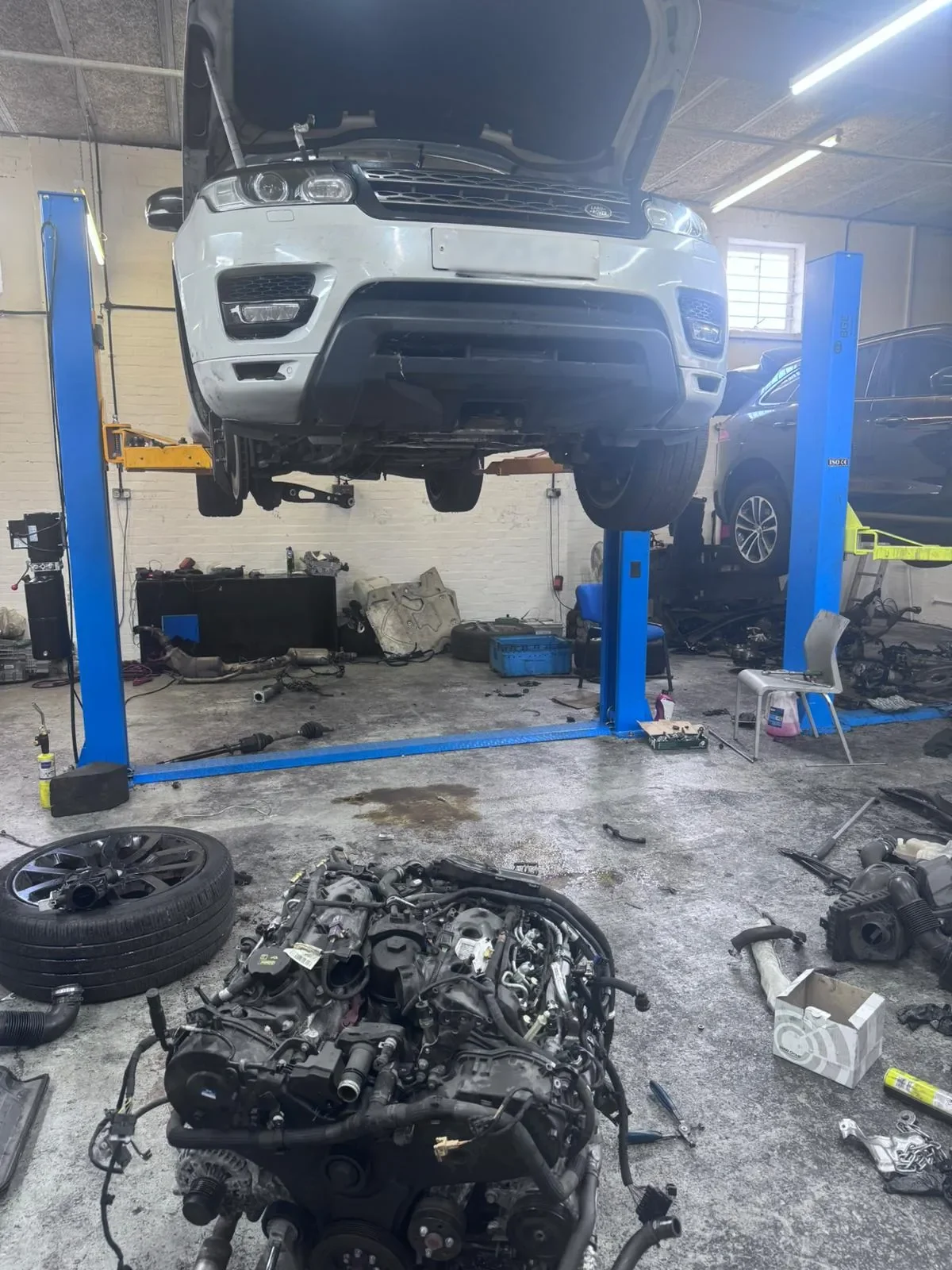
Range Rover Classic and P38 Engine Rebuild: V8 and Diesel Guide
An owner guide to Range Rover Classic and P38 engines: Rover V8, 200Tdi and BMW diesel, common wear points and what a rebuild involves.
Read the guide →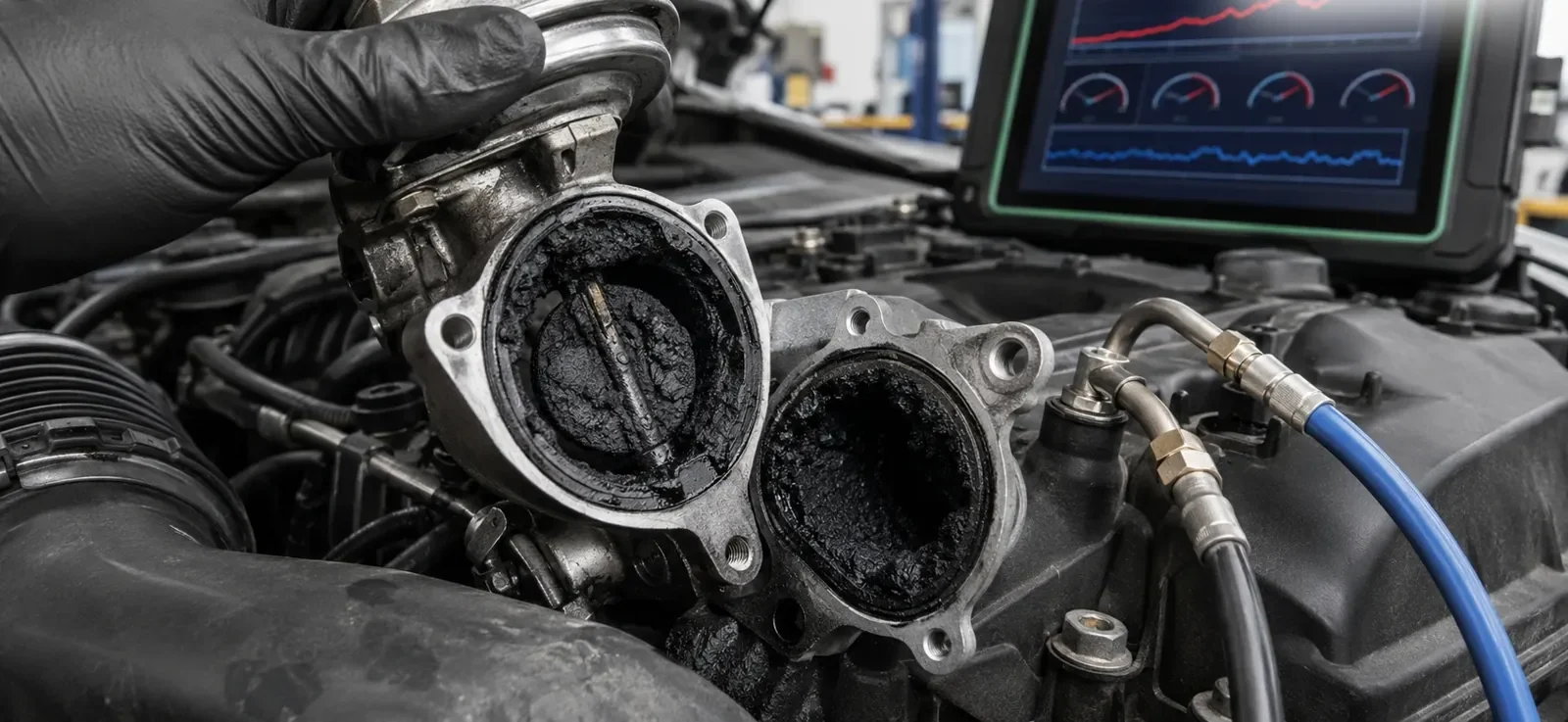 Owner Guides · 24 November 2026
Range Rover “Exhaust Filter Full” Warning: What It Means and How to Avoid Engine Damage
An amber exhaust filter warning is a request for a longer drive; a red one is not. Here is what each message means, how regeneration works and how a blocked filter can end up damaging the engine itself.
Read the guide →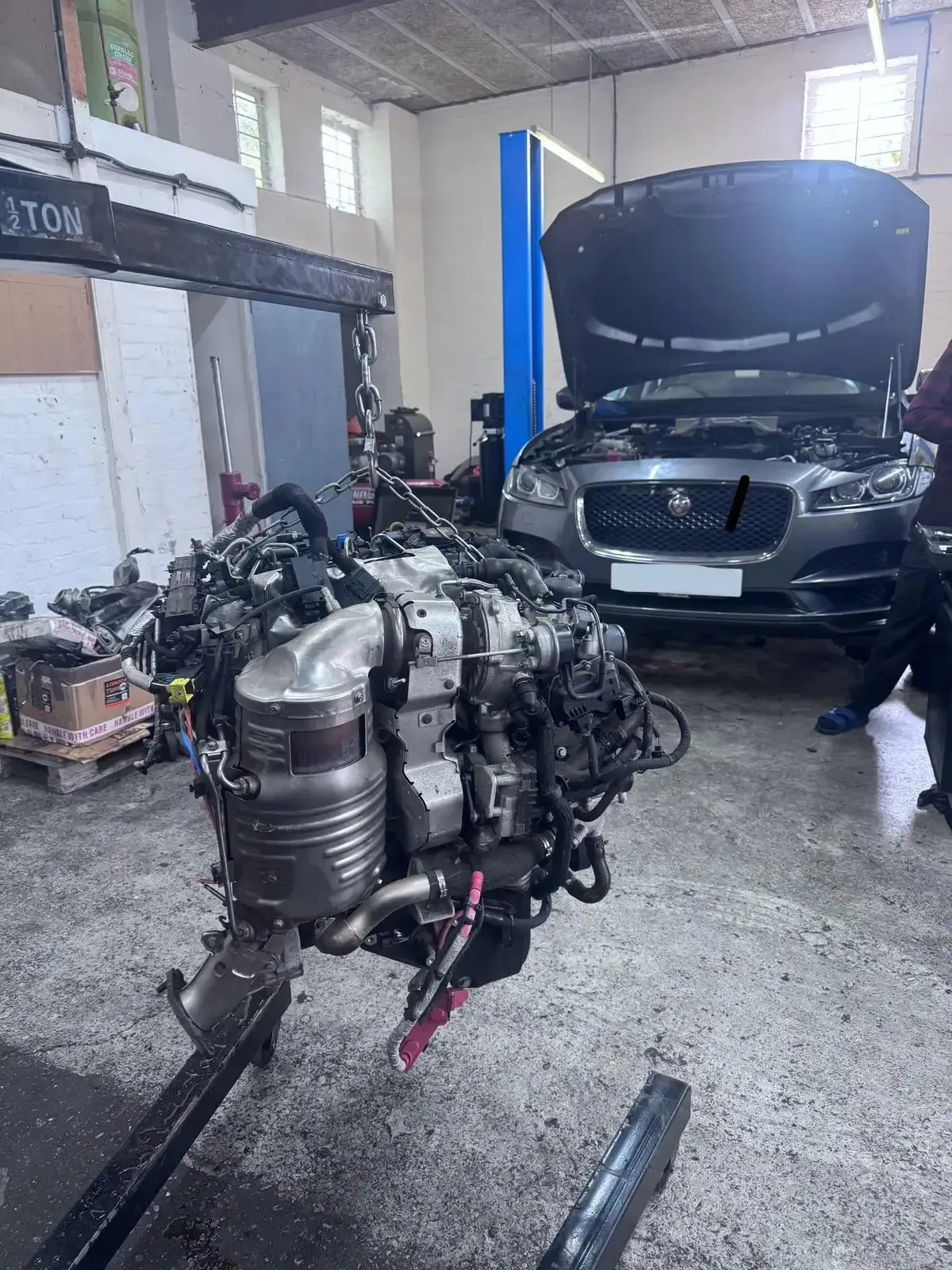 Engine Guides · 23 November 2026
Land Rover 200Tdi, Td5 and Discovery 2 Engine Rebuild Guide
An owner guide to rebuilding 200Tdi, 300Tdi, Td5 and Discovery 2 engines: common faults, what to check and what a rebuild covers.
Read the guide →