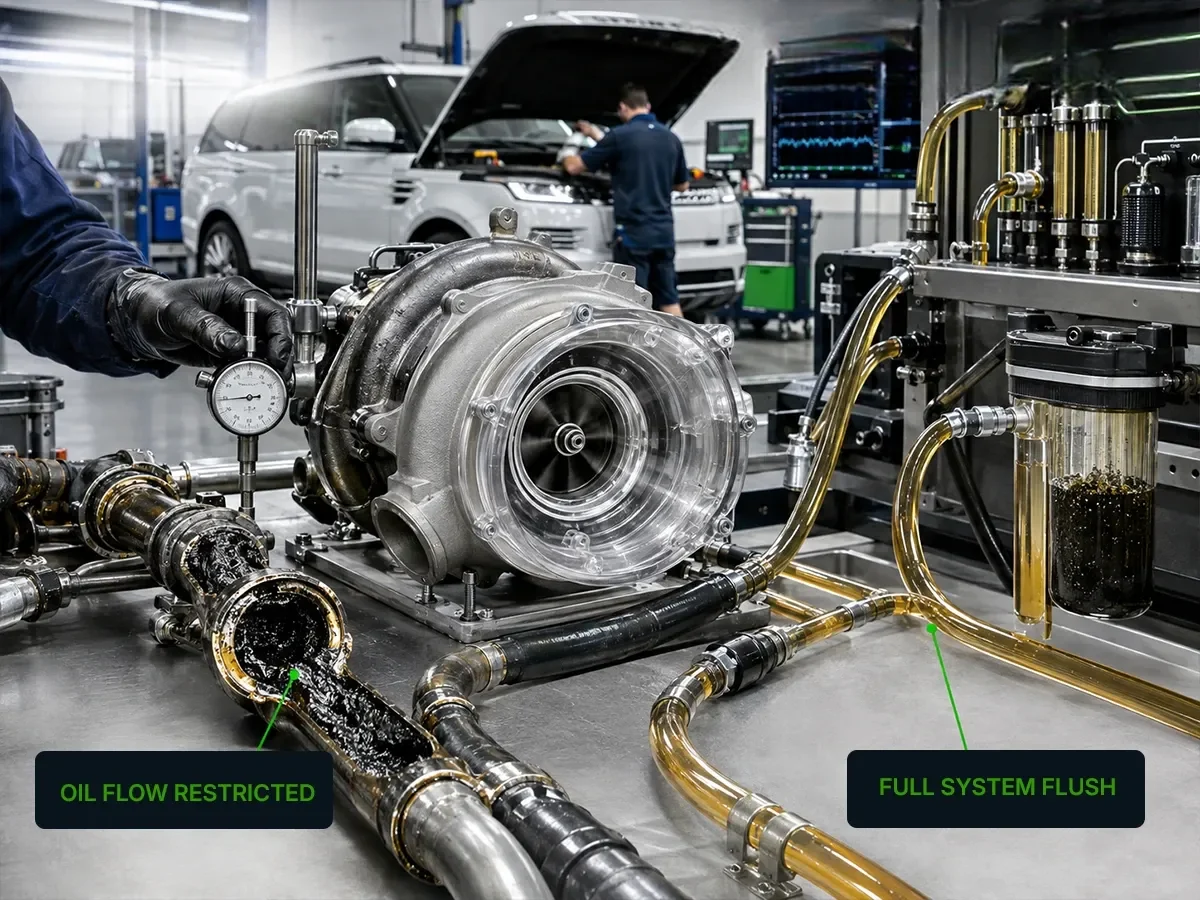
Short answer: On the 3.0 TDV6 and SDV6 diesel, a main bearing shell can rotate in its housing and lose its oil supply. Land Rover's Special Service Message 72578 gives that as the cause of crankshaft and bearing failure in the Discovery 4, Range Rover and Range Rover Sport. The warning is a rumbling or knocking that gets worse under load, sometimes with a flashing oil pressure light. Stop the engine at once, because continuing can break the crankshaft or hole the block. Caught early, most engines can be rebuilt.
The 3.0 V6 diesel, badged TDV6 and SDV6 and coded 306DT by the trade, has powered more large Land Rovers than almost any other engine: the Discovery 4 and Discovery 5, the Range Rover L405, the Range Rover Sport L320 and L494, the Velar, and Jaguar's XF, XJ and F-Pace diesels. It is smooth, strong and economical for its size. It also has one failure mode that owners dread, and searches for "TDV6 crankshaft failure" and "SDV6 crank failure" show how many people are worried about it.
What actually fails inside a TDV6 or SDV6?
The crankshaft turns in plain bearings: thin steel-backed shells that sit in the block and in each connecting rod. Two things keep the crank from touching them: a film of oil under pressure, and a tab or interference fit that stops each shell turning in its housing. If a shell rotates, its oil hole no longer lines up with the oil feed. That journal starves of oil, heats up and wears quickly. The clearance grows, oil pressure falls across the engine, and the damage spreads.
Land Rover's Special Service Message 72578 for the 3.0 TDV6 describes exactly this. The issue is listed as crankshaft and crankshaft bearing failure, the cause as rotation of main bearing shells, and the models as the Discovery 4, the Range Rover L405 and the Range Rover Sport L320 and L494.
Why do the bearing shells rotate?
No single cause is accepted everywhere, and different sources stress different factors:
- Crankshaft tolerances. The same service message says engines with tighter crankshaft run-out on the main bearings, with the maximum tolerance cut from 50 to 30 microns, were introduced from engine number 011215-1001200. Land Rover had tightened that specification in production.
- Lubrication. PistonHeads' Range Rover Sport buying guide reports that oil starvation remained a suspected factor even after the oil pump, timing belt tensioner and oil galleries had been improved over the older 2.7 engine. Dieselheads' workshop reports make the same comparison with the 2.7.
- Oil condition. Long service intervals, short journeys and soot loading all thin the oil film the bearings rely on. Specialists consistently advise shorter oil-change intervals than the maximum allowed.
- Belt work done badly. Owners on 4x4 forums describe oil pump housings cracking after timing belt changes where the old tensioner bolt was reused. That is a reported cause rather than a confirmed one, but it is a good reason to insist on a complete belt kit with new fixings.
- Load. Heavy towing, high revs from cold and sustained motorway load all put more strain on a bearing that is already marginal.
The practical point is that an owner cannot change the crank tolerances, but can control oil quality, warm-up and the timing-belt work that disturbs the front of the engine.
What are the warning signs of TDV6 crankshaft failure?
| Stage | What you may notice | What it usually means |
|---|---|---|
| Early | A faint rumble from low in the engine, louder under load or uphill | A bearing has started to lose clearance |
| Developing | A distinct knock that rises with revs; the oil pressure light flickers at idle | A shell has worn or turned, and pressure is dropping |
| Severe | The oil pressure light stays on, there is loud knocking, and metal shows in the oil or filter | Heavy bearing and journal damage |
| Failure | The engine seizes, or oil and debris appear under the car | Seized crank, or a connecting rod through the block or sump |
The service message lists the severe end of that scale: a crank that cannot be turned by the starter or by hand, a holed sump or block with oil and metal on the undertray, and a loud rumbling or knocking that gets worse under load, with the oil pressure warning flashing or lit.
What should I do if my SDV6 starts knocking?
- Stop as soon as it is safe and switch the engine off. Every extra mile turns a crank regrind into a crank replacement, or a rebuild into a replacement engine.
- Do not restart it to "see if the noise has gone". The noise often quietens when warm, but the damage does not.
- Have the car recovered rather than driven. We can arrange collection.
- Note the mileage, the date of the last oil change and the oil used. You will need them for any warranty or goodwill conversation.
Can a TDV6 or SDV6 with crankshaft failure be rebuilt?
Usually, yes. The engine has to come out and be stripped so the extent of the damage can be measured. What follows depends on what we find:
- Journals scored but within limits: the crank is ground to an undersize and fitted with matched new shells. The oil pump, pick-up and cooler are inspected or replaced, and every oil passage is flushed.
- Crank beyond grinding, or cracked: a replacement crankshaft, plus new bearings and connecting-rod checks.
- Housing bores damaged: the block's main bearing housings may need machining, or the block may need replacing, which can make a reconditioned 306DT the better option.
- Rod through the block: a replacement engine, either reconditioned or a tested used engine, depending on budget and the car's mileage.
Whichever route is right, the engine needs new timing belts and an oil system that has been cleaned of debris. Our 3.0 TDV6/SDV6 engine page sets out what is included in our 306DT rebuilds.
How can I reduce the risk on a TDV6 or SDV6?
- Change the oil and filter more often than the maximum interval, especially on cars that tow or do short trips, and use the grade in the handbook.
- Let the engine idle for a short while after a cold start before pulling away, and avoid high revs until it is warm.
- Replace the timing belts to the handbook interval. Specialists quote around 7 years or 112,000 miles for the 3.0. Use a complete kit with new fixings, from a workshop that knows the engine.
- Treat any change in engine noise or a flicker of the oil pressure light as urgent.
- When buying, ask whether the engine has been replaced or rebuilt, and get the invoice.
Which Land Rover and Jaguar models use the 3.0 TDV6/SDV6?
The Discovery 4 (2009 to 2016), the Discovery 5 Td6 and SDV6, the Range Rover L405 TDV6 and SDV6, the Range Rover Sport L320 and L494, the Velar D300, and Jaguar's XF, XJ and F-Pace 3.0 diesels. The bulletin names the Land Rover models above. Whether a particular engine has the revised crankshaft depends on its engine number, which is stamped on the left side of the cylinder head.
Knock, rumble or oil pressure light on a 3.0 diesel?
Switch it off and send us the registration. We will arrange collection, strip and measure the engine, and quote a rebuild, a reconditioned engine or a used one. We offer collection and delivery within about 100 miles of the Rainham and Peterborough workshops, and our warranty is 6 months with unlimited miles, or 12 months or 12,000 miles.
Get a TDV6/SDV6 quote or call 020 8089 1373 / WhatsApp 07936 418074.
Frequently asked questions
Is crankshaft failure common on the 3.0 TDV6?
It is well documented: Land Rover issued Special Service Message 72578 about it, and buying guides discuss it. There is no reliable published failure rate, so we would not put a figure on it.
Does the SDV6 have the same crank problem as the TDV6?
The SDV6 is a higher-output version of the same 3.0 V6 diesel, so it shares the bottom-end design. The service message refers to the 3.0 TDV6 engine in the Discovery 4, Range Rover and Range Rover Sport.
Which engines have the revised crankshaft?
Land Rover's service message says engines with tighter main-bearing run-out tolerances were introduced from engine number 011215-1001200. The engine number is stamped on the left side of the cylinder head.
Can I drive with a crankshaft knock?
No. A knock that rises with revs, or an oil pressure warning, means stop. Driving on can break the crank or put a connecting rod through the block.
What affects the cost of repairing a TDV6 crankshaft failure?
Mainly how far the damage went: whether the crank can be ground or must be replaced, whether the block housings are damaged, and how much debris has reached the turbos and oil cooler. We quote after stripping and measuring, not before.
Is a TDV6 with a rebuilt engine a good buy?
It can be, if the invoice shows what was done: crank ground or replaced, new bearings, oil pump and pick-up checked, oil system flushed and new timing belts. Ask who did the work and what warranty came with it.
Sources we checked
- JLR Special Service Message 72578, crankshaft/bearing concerns, 3.0 TDV6 (via NHTSA)
- PistonHeads, Range Rover Sport (L494) used buying guide
- Dieselheads, engine failure reports (2.7 and 3.0 TDV6)
- Wikipedia, Ford AJD-V6 / PSA DT17 (3.0 V6 diesel family)
- 4x4 Community forum, TDV6 engines: why do they fail? (owner reports)
- JGS4x4, Land Rover 2.7 and 3.0 TDV6 timing belt guide (interval)
- K Motors, TDV6/SDV6 timing belt
- JLR media technical data (models and outputs, logged in our spec-sources file)
More guides
 Engine Guides · 25 November 2026
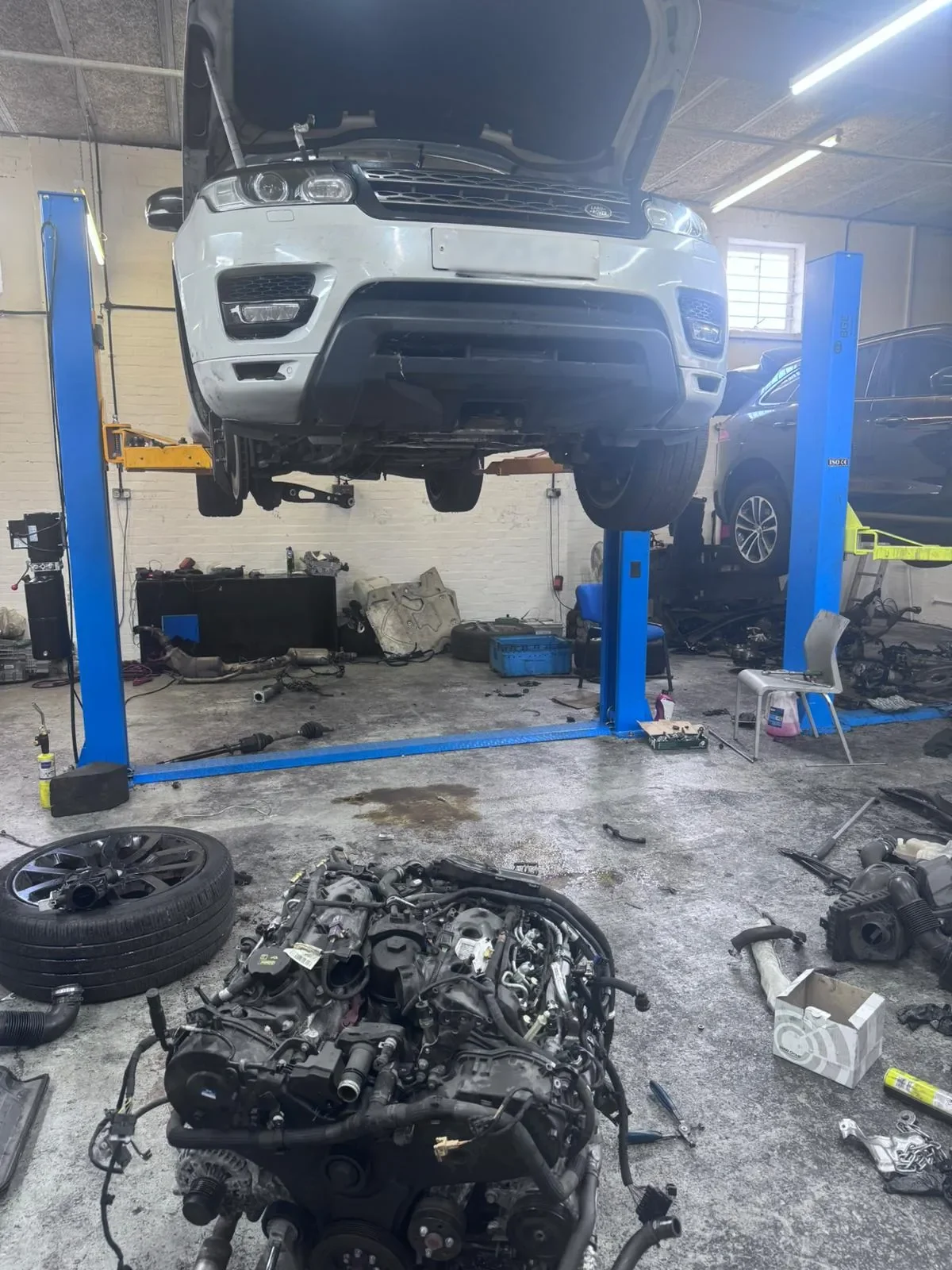
Range Rover Classic and P38 Engine Rebuild: V8 and Diesel Guide
An owner guide to Range Rover Classic and P38 engines: Rover V8, 200Tdi and BMW diesel, common wear points and what a rebuild involves.
Read the guide →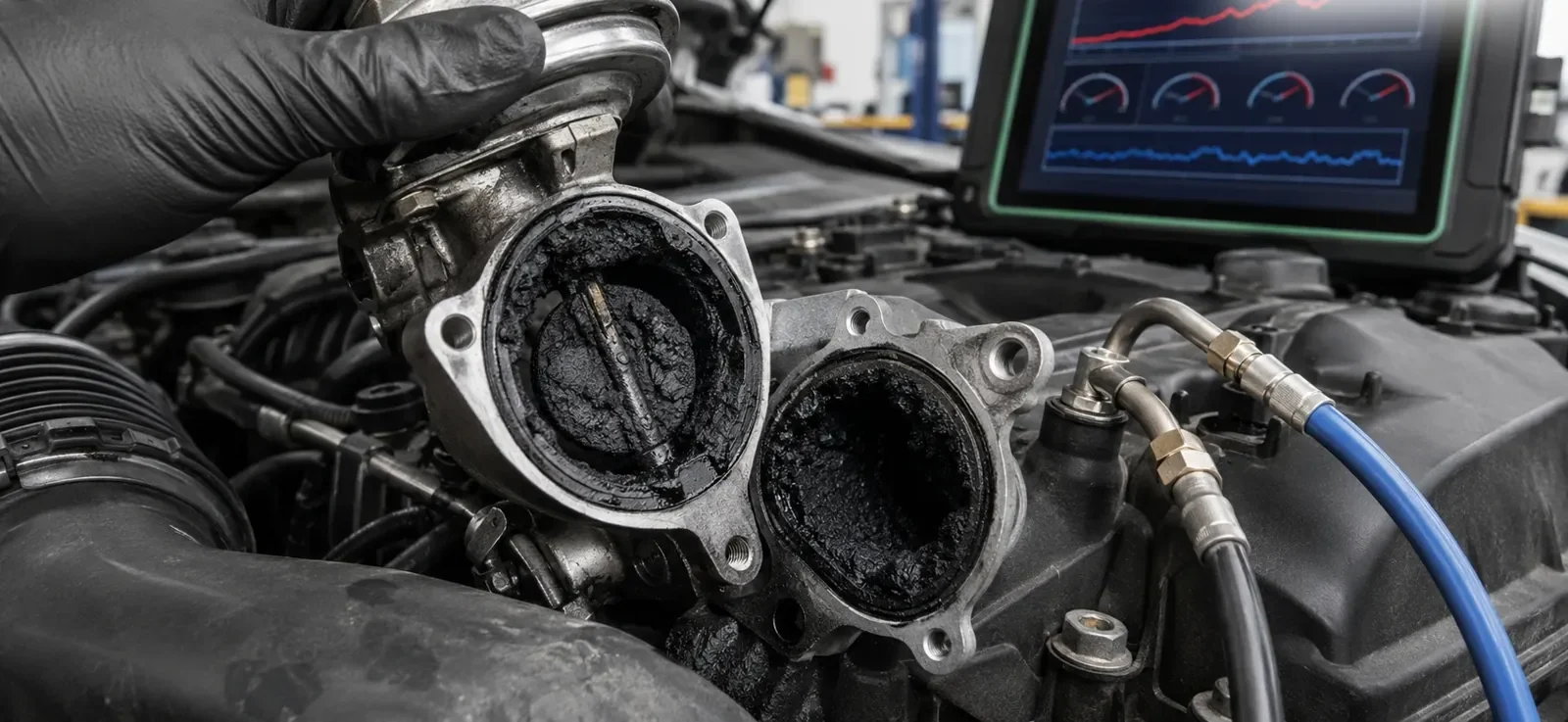 Owner Guides · 24 November 2026
Range Rover “Exhaust Filter Full” Warning: What It Means and How to Avoid Engine Damage
An amber exhaust filter warning is a request for a longer drive; a red one is not. Here is what each message means, how regeneration works and how a blocked filter can end up damaging the engine itself.
Read the guide →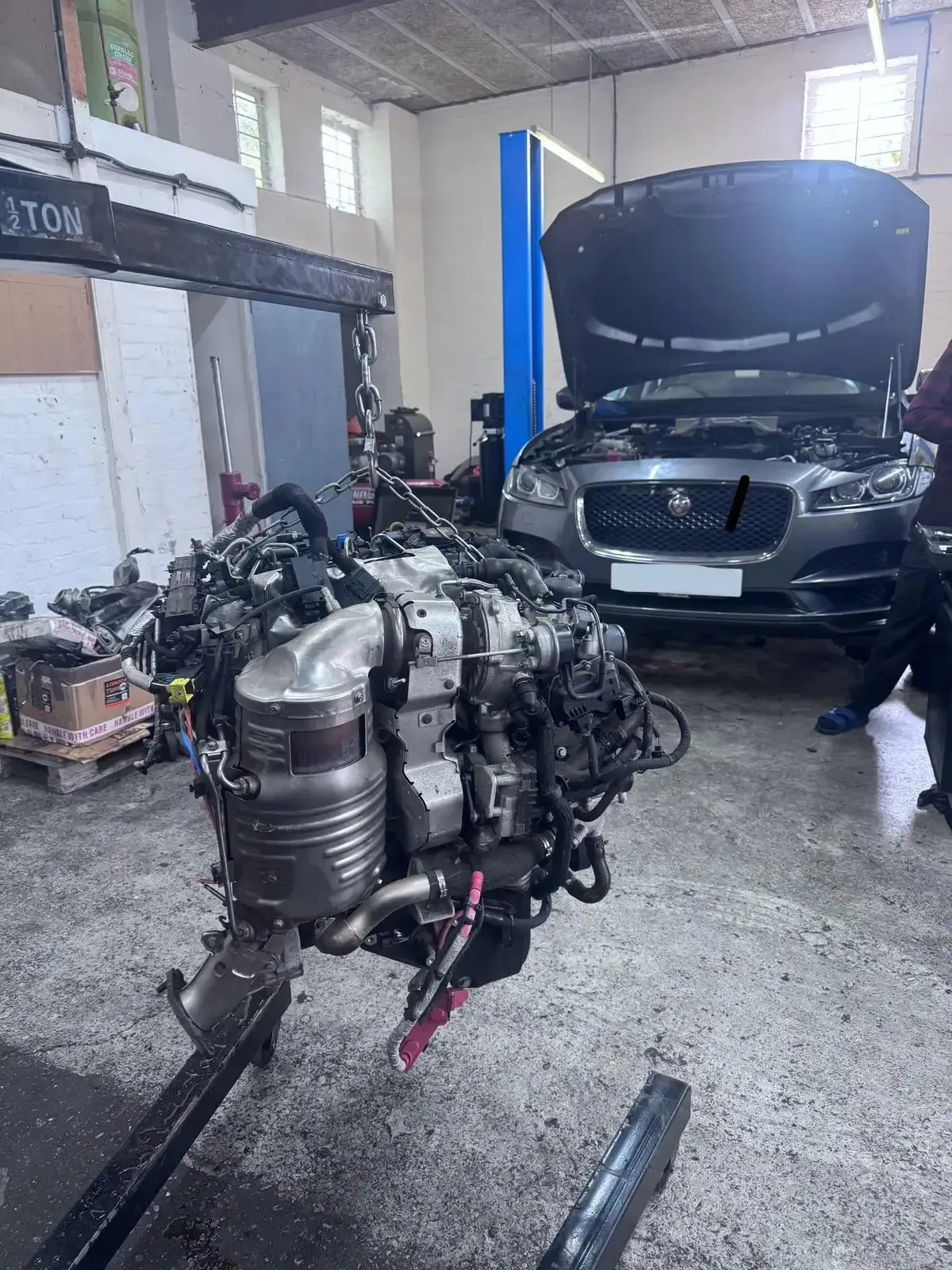 Engine Guides · 23 November 2026
Land Rover 200Tdi, Td5 and Discovery 2 Engine Rebuild Guide
An owner guide to rebuilding 200Tdi, 300Tdi, Td5 and Discovery 2 engines: common faults, what to check and what a rebuild covers.
Read the guide →